

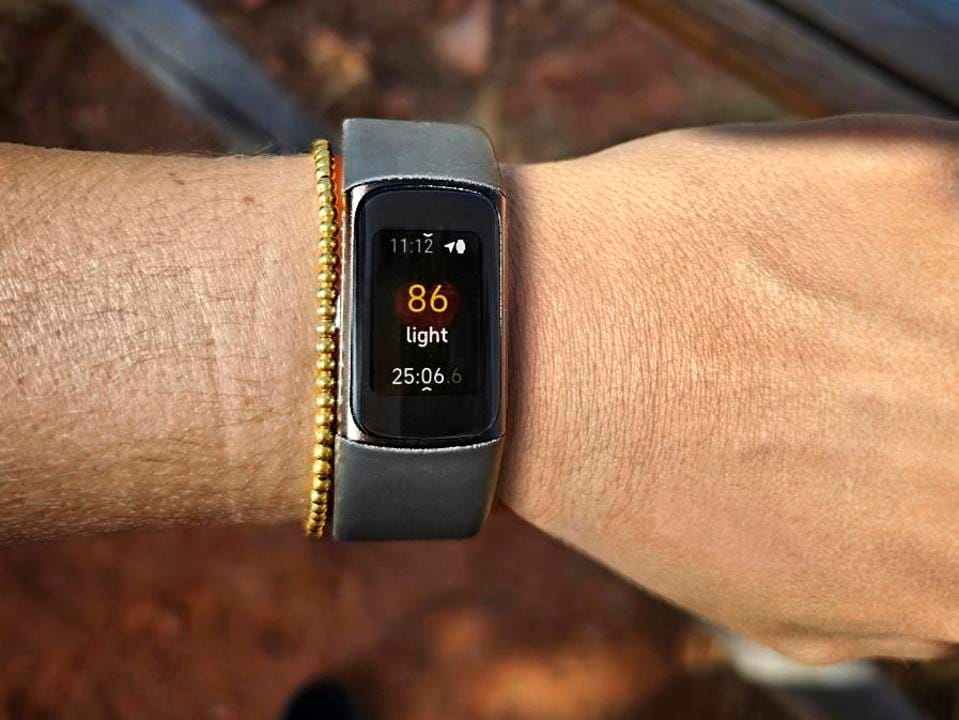
If you’ve started looking for a wearable that tracks your runs. Your sleep — and maybe your recovery — you’ve likely hit a wall of options. Garmin; Apple, Fitbit, Whoop, Oura; the list of names feels endless. ” But here’s the thing.
For athletes, the “best” device is almost almost never universal. It depends on whether you’re a cyclist needing GPS accuracy. As far as I know, in 2026, the most trusted expert sources, PCMag, Wirecutter, Wareable. That's not a small shift.
Consumer Reports; agree that no single tracker dominates every category. That’s why this article goes deep into what really matters, so you can pick the wearable that fits your training, not the marketing hype.
TL; DR
- The wearable you’ll actually wear every day beats a fancy one left on the nightstand — comfort, battery life, and platform compatibility often matter more than raw feature lists.
- Garmin still leads for multi-sport tracking, while Oura and Whoop are top choices for sleep and recovery insights, according to multiple expert reviews in 2026.
- Built-in GPS isn’t standard on all trackers; if you run or bike without your phone, verify the device has its own chip — otherwise, distance data will be inaccurate.
Key Point
- The top trackers of 2026 aren’t one-size-fits-all. Wirecutter’s test narrowed its list to three distinct recommendations: a do-it-all health tracker, a dedicated running watch, and a smartwatch that can handle most workouts.
- Battery life is the silent dealbreaker. Consumer Reports consistently flags that devices with bright screens and always-on features may need charging every 1-2 days, which kills consistent sleep tracking.
- Popularity isn’t performance. Amazon bestseller rankings reflect mass-market appeal, not athlete-grade accuracy. Reddit threads show many serious runners prefer older Garmin models over newer, shinier bands.
- Sleep tracking has improved dramatically, but it’s still not lab-quality. Wareable notes that Apple Watch, Whoop, Oura, and Fitbit are among the most accurate, though all wrist sensors miss true REM details sometimes.
What Are Smart Wearables for Athletes, Anyway?
When you look closely, and sure enough, smart wearables for athletes are dedicated devices. Fitness trackers, smartwatches, or rings, that go beyond step counting.
They use sensors to measure heart rate, sleep cycles, stress levels. Often GPS-tracked distance, then turn that data into training insights like recovery scores and VO2 max estimates. As of 2026 — the major players include Garmin, Apple, Whoop, Oura, and Fitbit.
Don’t confuse these with hassle-free pedometers., to be more precise, they've to estimate your body’s readiness to train rough the next morning. Some, like Garmin’s Forerunner lineup, are built from the ground up for running, cycling, and triathlon.
That's only part of it, though. Others, like the Apple Watch, are smartwatches Right off the bat, but have grown.
So capable that they now rival dedicated fitness trackers in sleep stage analysis — according to Wareable’s 2026 testing. Meanwhile, rings from Oura and straps from Whoop strip away the screen completely, betting everything on recovery metrics and passive data collection.
How does GPS tracking actually impact training?
Built-in GPS lets you leave your phone behind. And still get precise distance, pace, and route maps. That’s critical for interval workouts or long runs. Trackers that rely on connected GPS regularly show lag.
And slight distance errors, which can throw off training data.
How These Devices Actually Track Performance
Switching focus for a second, they rely on optical heart rate sensors; accelerometers, and sometimes GPS to reshape tiny body signals (a detail regularly overlooked) into practical data. Algorithms then interpret that raw information to give you (a detail often overlooked) metrics like training load. Recovery time, and sleep stages.
At a high level, the green LED lights on the back of most wearables shine into your skin to detect blood volume changes; that’s how they count each heartbeat. It’s impressive, but it’s not perfect. During rapid arm movements. Like kettlebell swings, wrist-based HR can lag.
That’s why many serious athletes still, to be more precise, pair a chest strap with their Garmin. Or Apple Watch for high-intensity sessions. But for steady state cardio and daily resting heart rate, the optical sensors are wildly reliable.
Accelerometers track movement in three dimensions, counting steps. Estimating calorie burn, and even detecting when you fall asleep.
Combined with a gyroscope, the device can distinguish between walking, running, and cycling. Plus, then there’s the software layer. That's where brands differ most. Garmin’s Firstbeat Analytics turns your HR data into recovery time suggestions and training readiness.
Oura does something similar for readiness. Using its own algorithms that get smarter with each watchOS update, apple Watch.
“It excels in the basics—step counting, heart rate tracking, stress monitoring, and Garmin’s useful Body Battery feature.” — Wareable
What’s the catch with wrist-based heart rate?
Across the board, wrist sensors can be fooled by sweat. Rapid arm motions, and even skin tone. Accuracy drops during interval training, so if split-second HR data is key for your sport, consider pairing with a chest strap.
Key Metrics Athletes Should Obsess Over
In a lot of cases, sleep stages, heart rate variability (HRV), and a recovery or readiness score. For outdoor athletes, GPS distance and pace precision are non-negotiable. These four metrics give you a full picture of training stress and adaptation.
Heart Rate Zones: Knowing your max HR and training in specific zones (Zone 2 for fat burning, Zone 4 for threshold) turns generic cardio into targeted training. Garmin and Apple Watch both do zone alerts well.Sleep Stages: Deep sleep, REM, and light sleep duration matter because muscle repair and CNS recovery happen during deep sleep. But don’t take the stage percentages as gospel. As Wareable points out, the best trackers are still estimates.HRV and Recovery: This is the new frontier. HRV measures variability between heartbeats, which drops when you’re overreached. Whoop and Oura have made recovery scores mainstream. If you wake up with a low readiness score, it might be wise to dial back that track workout.
| Metric | Garmin (Forerunner) | Apple Watch Series | Oura Ring | Whoop 4.0 |
|---|---|---|---|---|
| Built-in GPS | Yes | Yes | No | No |
| Sleep Staging | Good | Excellent | Excellent | Excellent |
| Recovery Score | Body Battery | Not a dedicated score | Readiness Score | Strain & Recovery |
| Battery Life | Up to 6 days | About 18 hours | Up to 7 days | Up to 5 days |
| Best For | Multi-sport, GPS nerds | iPhone users, smartwatch lovers | Sleep & passive tracking | 24/7 recovery focus |
People Also Ask
Is GPS built into every fitness wearable?
No. Many slim trackers and the Oura ring lack GPS. For runners or cyclists, built-in GPS is a must unless you without fail carry your phone, and without fail check the spec list.
Can a smartwatch really handle serious endurance training?
Yes, but with tradeoffs. Apple Watch Ultra and Garmin Fenix can handle triathlons. Here's the other side of it. And ultramarathons, but battery life still trails dedicated Garmin watches.
For a half-marathon, both work; for a 100-mile event, Garmin a lot wins.
How accurate is sleep tracking on these devices?
To tie that together, blocksep matters. It’s good for trends, not perfect for precise staging.
Wareable found Apple Watch, Oura, Whoop, and Fitbit tend to be the most consistent, but no wrist sensor matches a clinical polysomnography test. Stick with me here. Use the data to spot patterns, not as diagnostic.
Though practical limits do exist.
Do I need two devices — one for workouts and one for recovery?
It depends. If you want top-tier training data plus elite recovery insights. In many cases, pairing a Garmin (or Apple Watch) with an Oura Ring or Whoop strap can give you the full picture. But for most the majority, one device that covers both reasonably well is enough.
Which wearable do professional athletes actually use?
It varies by sport. Triathletes lean heavily on Garmin. Many NBA and NFL players use Whoop. Endurance runners often select a Coros or older Garmin.
There isn’t a single pro standard.
What Really Matters When You’re Picking One
To rundown, blocksep matters. After all the specs, the most important factor is whether you’ll actually wear the device (at least based on current observations) every day and night. A great wearable does its job without you thinking about it.
So before you buy, define your absolute priorities: maybe it’s long battery life. Looking closer, maybe it’s GPS tracks, maybe it’s a recovery coach that stops you from burning out. The right choice will feel invisible.
Check in-depth comparisons from trusted sources like PCMag and Wirecutter for current testing data. Remember: technology is just a tool. The best training still comes from listening to your body, the wearable just helps you grasp what it’s saying.
- List your top two training goals — Are you tracking distance, sleep, or recovery? Write them down to steer your search.
- Check GPS requirements — If you run or bike without a phone, eliminate any device that lacks built-in GPS.
- Audit battery life needs — Count how often you’re willing to charge. For sleep tracking, aim for at least 3 days of runtime.
- Read recent expert reviews — Consult Wirecutter, PCMag, and Wareable for 2026 performance breakdowns, not just user star ratings.
- Try before buying if possible — Wear the device for a few workouts in-store or use a friend’s. Comfort and screen readability can make or break daily use.
🔍 Research Sources
Verified high-authority references used for this article